Voices from the Villages: A Needs Assessment of Holistic Village Development in Bihar
This study presents findings from a comprehensive needs assessment conducted across seven villages in the Darbhanga and Madhubani districts of Bihar, commissioned by Sulabh International to inform its Holistic Village Development Initiative.
About the Project
The assessment examined community needs across five interconnected thematic areas: Water, Sanitation and Hygiene (WASH), childhood malnutrition, adolescent anaemia, diet diversity and safe food practices, and farm and non-farm livelihoods. The study was grounded in the lived experiences of communities facing compounding vulnerabilities — poverty, infrastructural isolation, climate stress and social exclusion.
Methodology
The study employed qualitative research methods, including in-depth interviews and focus group discussions with farmers, women, youth, adolescent girls, Anganwadi Workers, ASHAs and Gram Panchayat members across all seven villages. A composite vulnerability assessment was conducted for each village, with scores ranging from 65% to 85% — all within the high vulnerability range. Senior researchers conducted systematic content analysis to identify priority needs and structural gaps.
Key Findings
- Seasonal water scarcity affects six of seven villages, particularly during summer months, despite the presence of piped water supply under Jal Jeevan Mission.
- Toilet coverage remains incomplete, with open defecation persisting in some villages despite national sanitation campaigns.
- Adolescent girls bear a disproportionate burden of household work — up to 4–5 hours daily — directly affecting their education and wellbeing.
- Awareness of anaemia is widespread among adolescent girls, but access to Iron and Folic Acid supplements remains inconsistent and unreliable.
- Menstrual hygiene management is largely self-managed, with minimal guidance from frontline health workers and unsafe disposal practices common across villages.
- Agricultural livelihoods are constrained by small landholdings, waterlogging, limited market access and near-total absence of soil health knowledge.
- High dependence on temporary migration as a livelihood strategy reflects the structural absence of local employment opportunities.
Photo Gallery
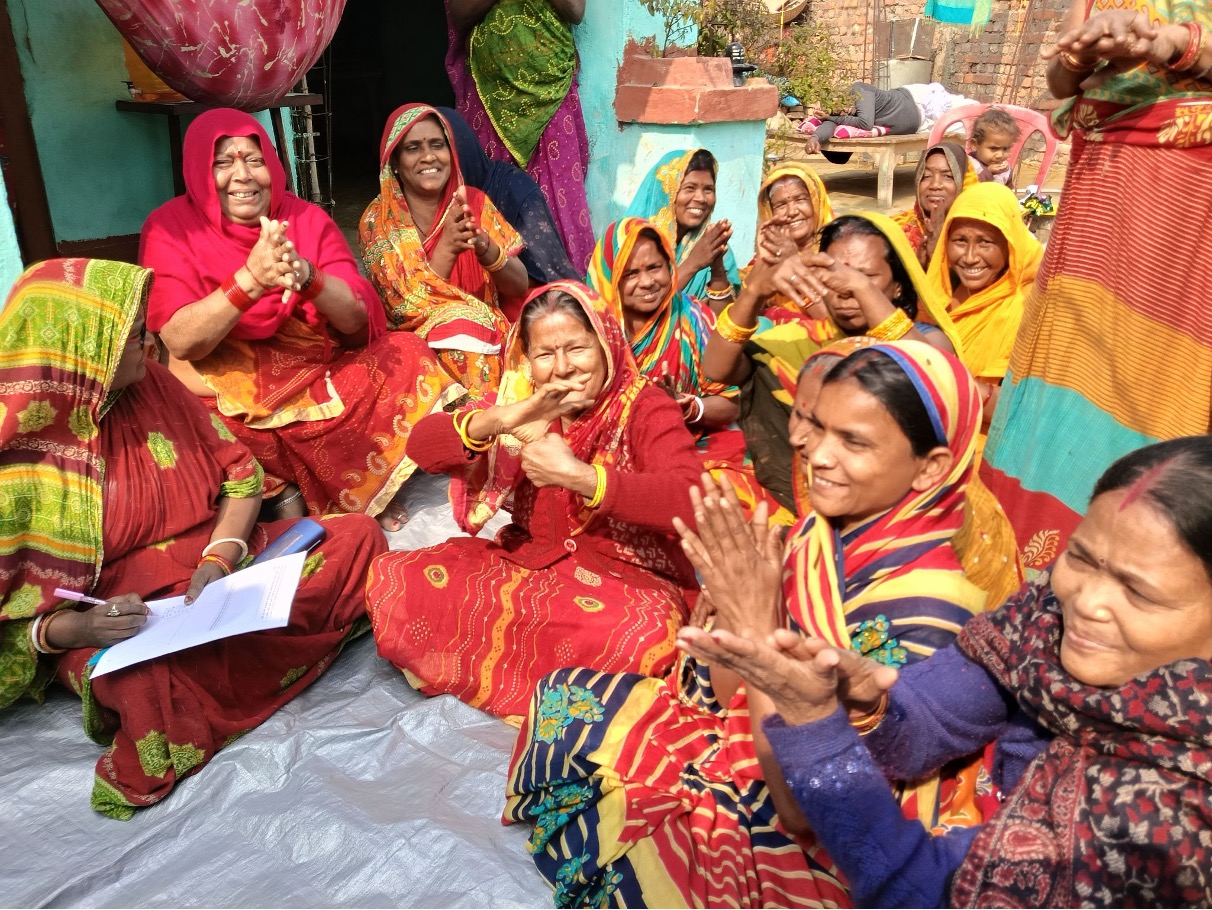
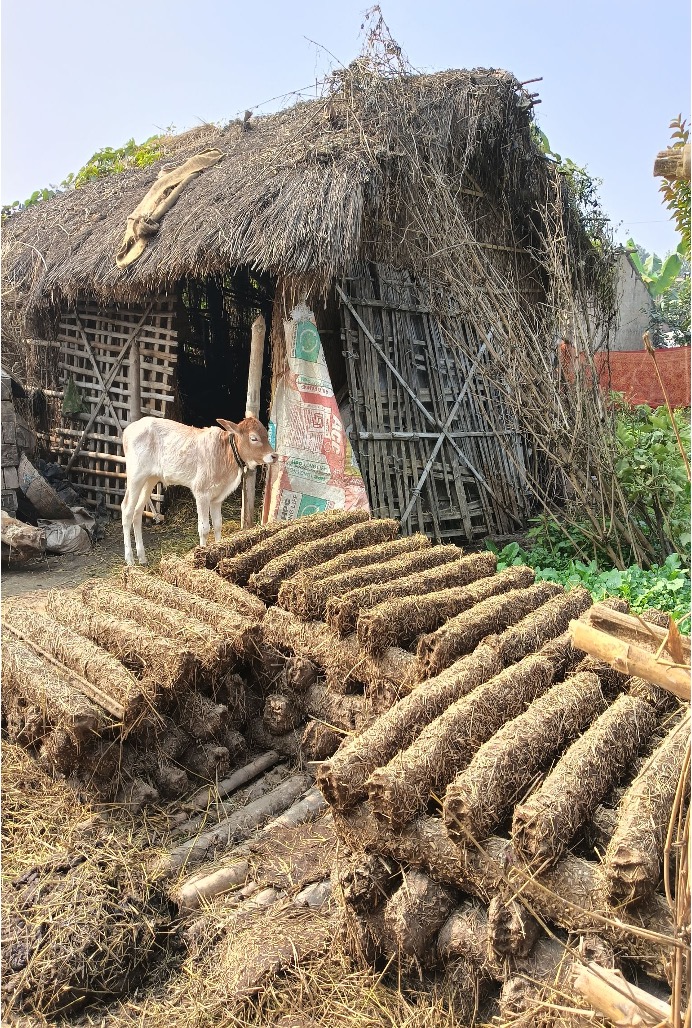
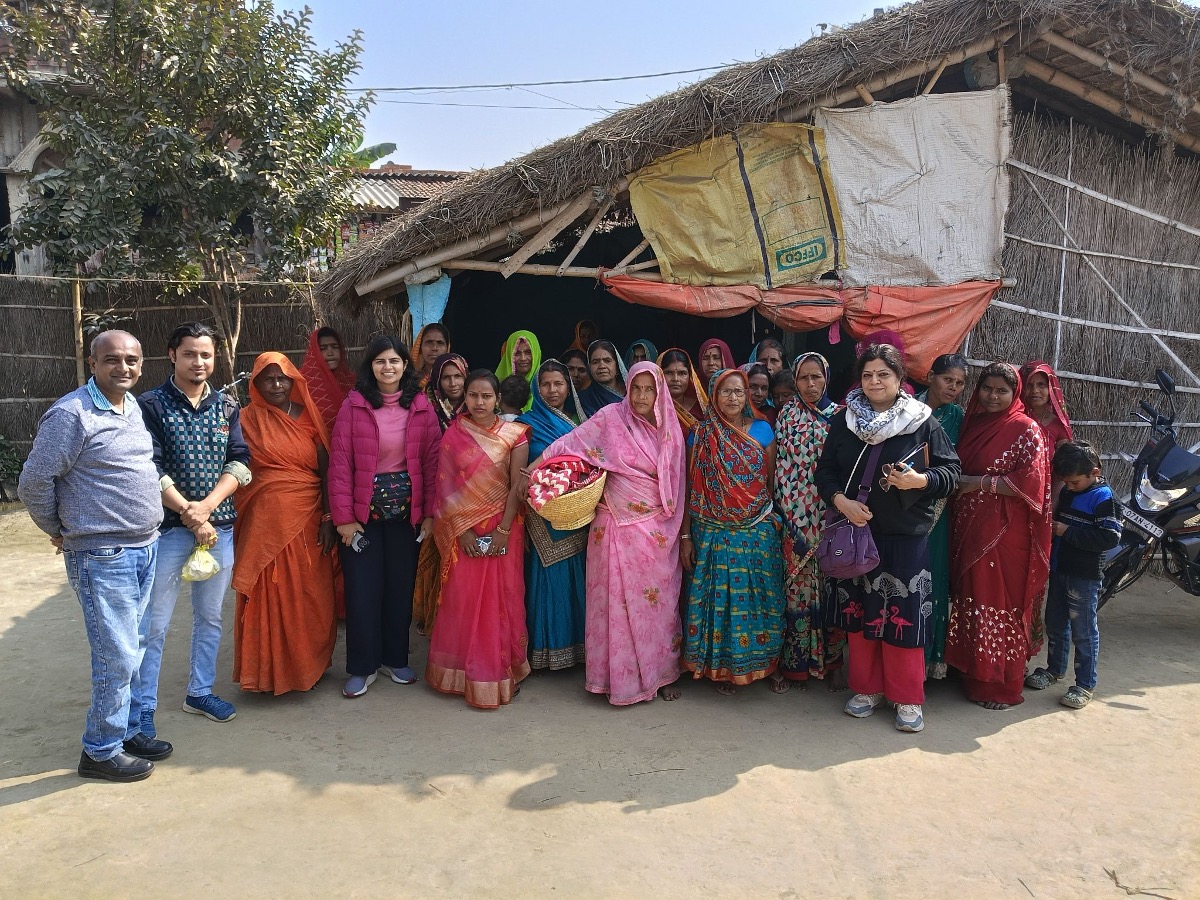
Photographs from the field will be added to this publication shortly.